




Are you having difficulty climbing the stairs? If so, there are several possible reasons why. Stairs are an everyday part of our lives, present in homes, workplaces, and public spaces. Most of us see using the stairs as an effortless task, but for others, it can be increasingly difficult. Whether it’s due to muscle weakness, joint pain, or poor mobility, there’s a likely solution to help you use your staircase.
To learn more about what to do if you’re facing difficulty climbing the stairs and solutions to make this everyday task more manageable, continue reading.
5 Reasons You’re Facing Difficulty Climbing the Stairs
Before discussing solutions, it’s important to understand the reasons why climbing the stairs has become difficult.
Muscle Weakness
Ageing is a natural process that affects our physical abilities. As we grow older, we may experience muscle weakness, joint stiffness, reduced balance, and decreased coordination, all of which can make using the stairs more challenging.
Walking up stairs requires greater muscle activity than level walking, which is why muscle weakness may be stopping you from going up the stairs. In most cases, weakness is due to poor blood circulation, lack of physical exercise, age-related muscle loss, or conditions such as arthritis.
Joint Pain
Climbing the stairs puts pressure on your joints, so if you’re experiencing joint pain, the process can prove quite difficult. You might take longer to get up and down the stairs due to the pain during movement, which is often caused by injuries or conditions like osteoarthritis.
Balance and Coordination Issues
If you suffer from poor coordination or balance issues, you should avoid using the stairs on your own. If you were to miss just one step due to dizziness or poor coordination, you could fall downward and potentially injure yourself.
According to the Royal Society for the Prevention of Accidents (RoSPA), falls on stairs and steps kill over 1,000 people per year across England and Wales, and 43,000 more people are hospitalised.
Poor Mobility
Mobility issues often include difficulty walking, muscle weakness, and joint pain. Additionally, certain chronic health conditions, such as arthritis, heart disease, or respiratory problems, can also limit a person’s ability to climb stairs safely.
These conditions may cause fatigue, shortness of breath, or pain during stair ascent. Injuries caused by poor mobility, particularly those affecting the lower body, can temporarily or permanently make climbing stairs difficult.
Exhaustion
Whether it’s due to lack of sleep, stress, anxiety, or more serious issues, such as illness or chronic health conditions, exhaustion may affect you when going up and down the stairs continuously. If you feel like using the stairs is becoming difficult due to general exhaustion or fatigue, be sure to sit down, rest, and contact a doctor if it continues daily.
Solutions to Consider
If you’re facing challenges when climbing the stairs, now might be the time to consider making a change.
Install a Stairlift
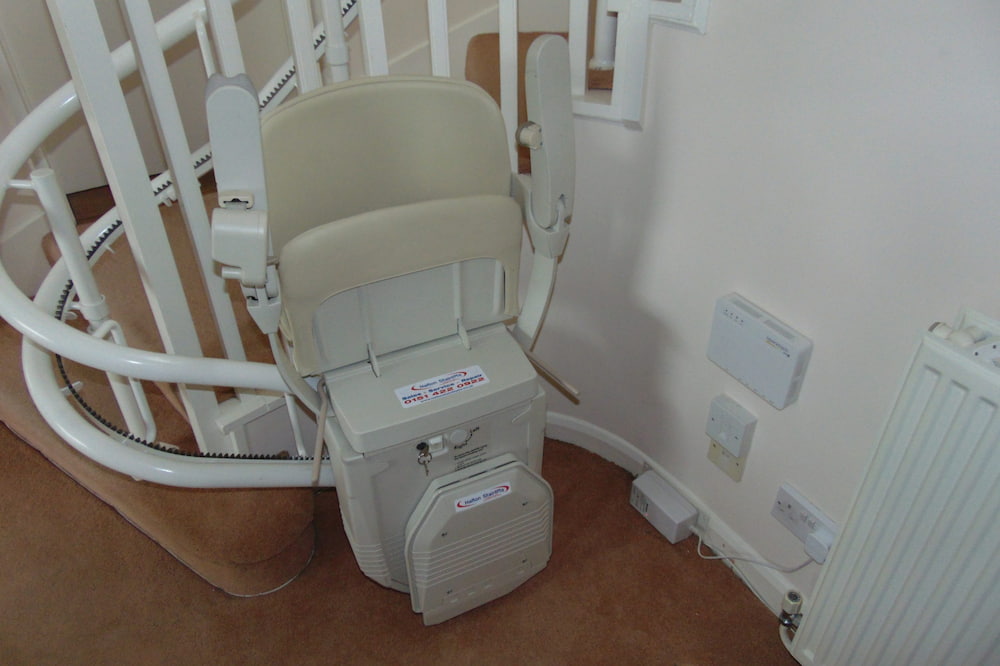
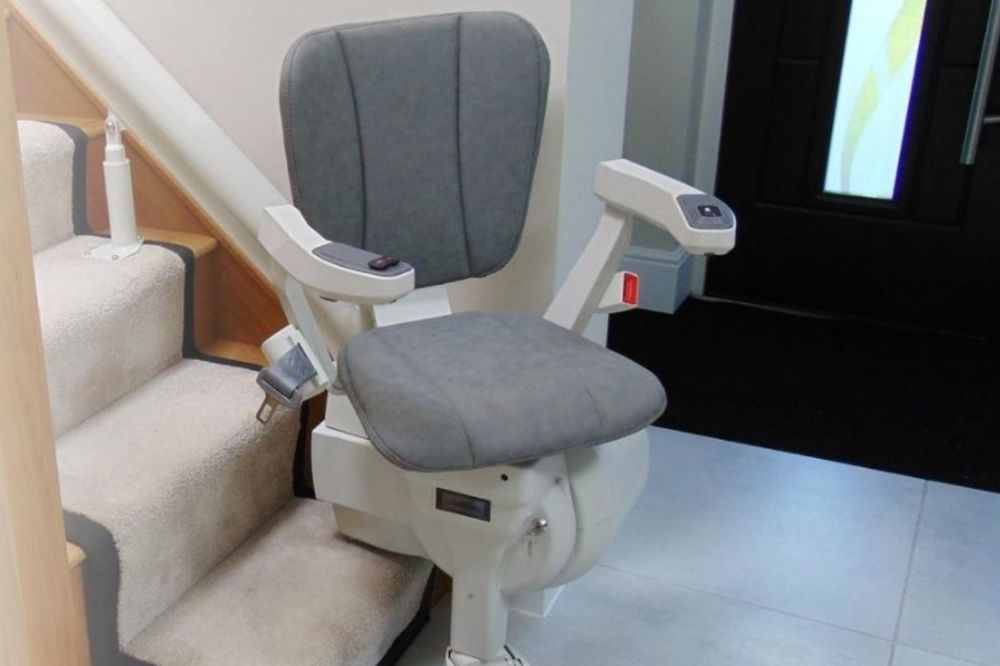
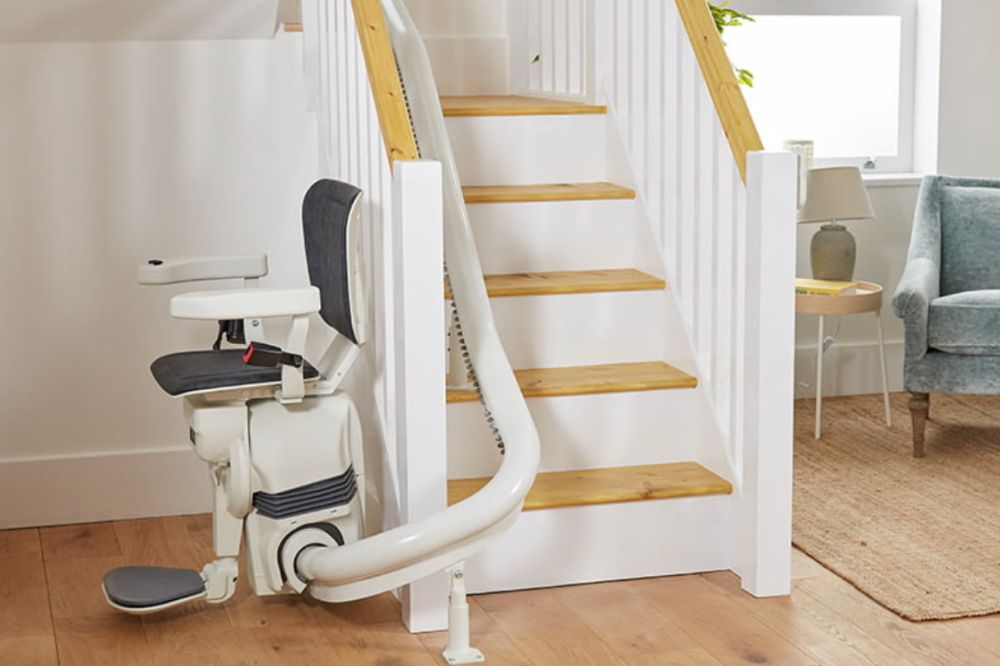
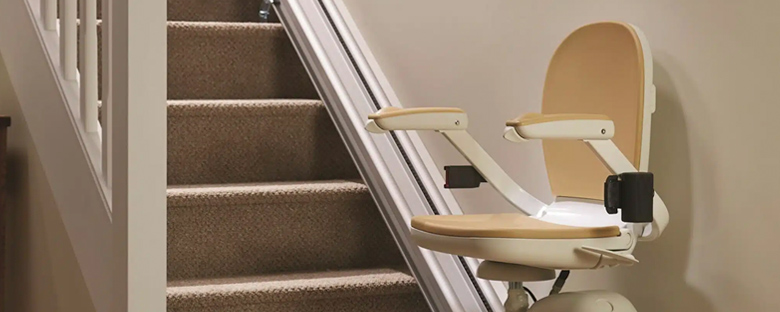
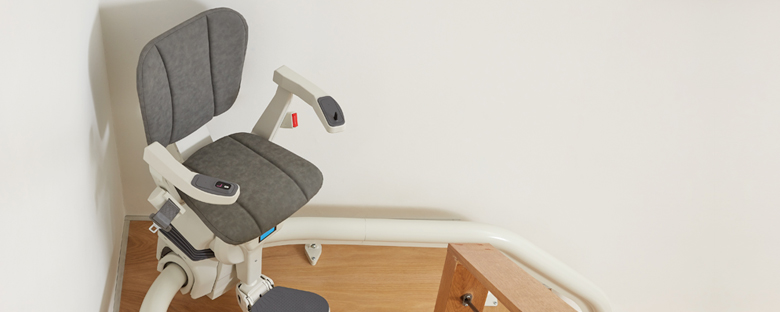
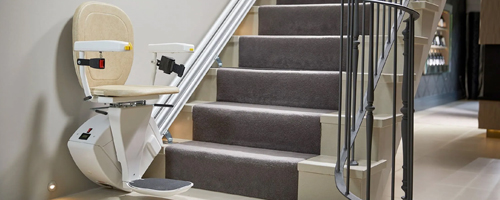
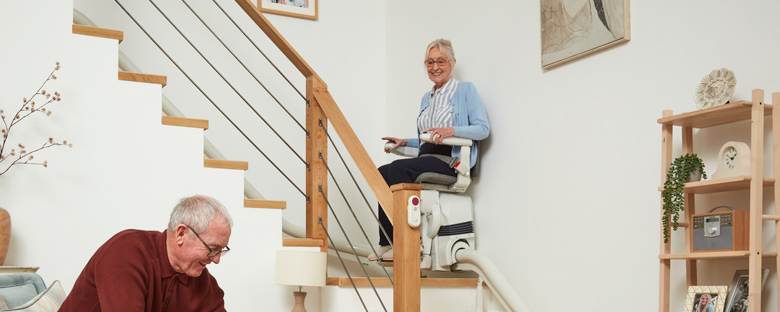
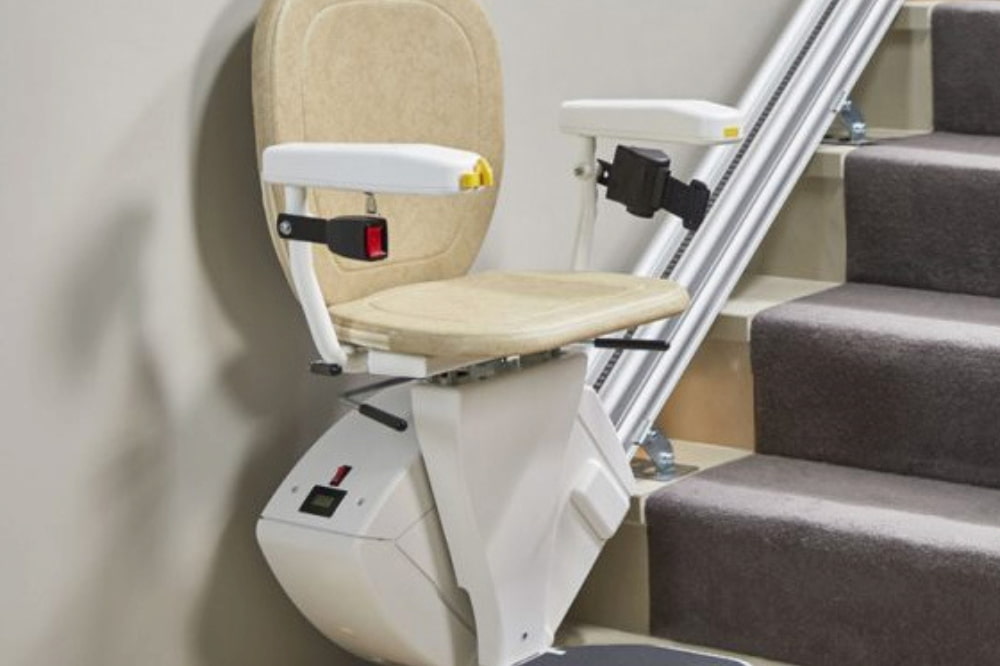
One of the most popular solutions is to install a stairlift. This will allow you to move up and down the stairs safely and efficiently. Stairlifts come with a range of benefits and are an excellent solution for those who have difficulty climbing stairs due to mobility issues or age-related limitations.
Contact a Doctor
If you’re concerned about your health and the way it’s affecting your ability to climb the stairs, we advise contacting a doctor. While making practical changes, like installing a stairlift, will be helpful, it’s still important to get checked for any underlying conditions that may go on to affect other daily activities.
Arrange a Care Needs Assessment
A care needs assessment is carried out by social services to find out what help and support you need, including essential home adaptations and equipment to make climbing the stairs easier. To arrange a free care needs assessment, you must contact your local council.
What Else Can You Do When Climbing Stairs Becomes Too Difficult?
Although installing a stairlift, contacting a doctor, and arranging a free care needs assessment are your best options, there are some other things to consider:
- Use a walking aid such as a cane or walker to provide added stability and support
- Make your home safer by adding handrails on both sides of the staircase
- Improve lighting around your staircase to make the steps easier to see
- Add non-slip stair treads or carpets to improve safety and reduce the risk of slipping
- Do regular exercises and physical therapy if you have muscle weakness or joint pain
However, if climbing the stairs has become increasingly difficult and your mobility has started to deteriorate, these assistive alternatives may only provide limited support. Installing a mobility aid such as a stairlift can provide a safer and more practical solution when climbing the stairs.
Find the Perfect Stairlift at Halton Stairlifts
At Halton Stairlifts, we understand that using the stairs can become difficult for many reasons, including age, mobility issues, chronic health conditions, and injuries. One of the most common, helpful solutions when facing difficulty going up or down the stairs is to install a stairlift.
We offer both new and reconditioned stairlifts for short or long-term use, so no matter the issue you’re dealing with, we have a reliable mobility aid to help you climb the stairs safely. You can either buy or rent our stairlifts depending on your personal circumstances.
To find out more about how our DBS-checked stairlift engineers can assist you, please contact us today.
FAQs
When should I consider installing a stairlift?
You should consider installing a stairlift if using the stairs has become increasingly difficult, whether that’s due to recent injury, age, or poor mobility. Installing a stairlift will help you regain independence and make travelling the stairs safe again.
What benefits do stairlifts offer?
Stairlifts offer many benefits, including enhanced safety, comfort, less muscle strain, minimal physical movement, and less chance of injury.
How do I strengthen my legs to climb stairs?
If you want to strengthen your legs to climb the stairs, we recommend low-impact exercises, such as walking, leg raises, gentle squats, and physiotherapy. However, we strongly advise speaking with a healthcare professional beforehand, who can make informed suggestions to make climbing the stairs less difficult.
Should seniors avoid climbing stairs?
While many seniors should avoid climbing the stairs, not all of them do. If you’re a senior who isn’t experiencing any issues, then continue using the stairs as normal. However, if you have mobility issues, avoid using stairs independently and benefit from mobility aids, handrails, and other essential home adaptations instead.

Neil is the founder of Halton Stairlifts. He has years of experience installing stairlifts across the UK. With an eagerness to help those with mobility issues get up the stairs, Neil understands how important it is for a seamless and straightforward approach to installing stairlifts to help those in need quickly.