



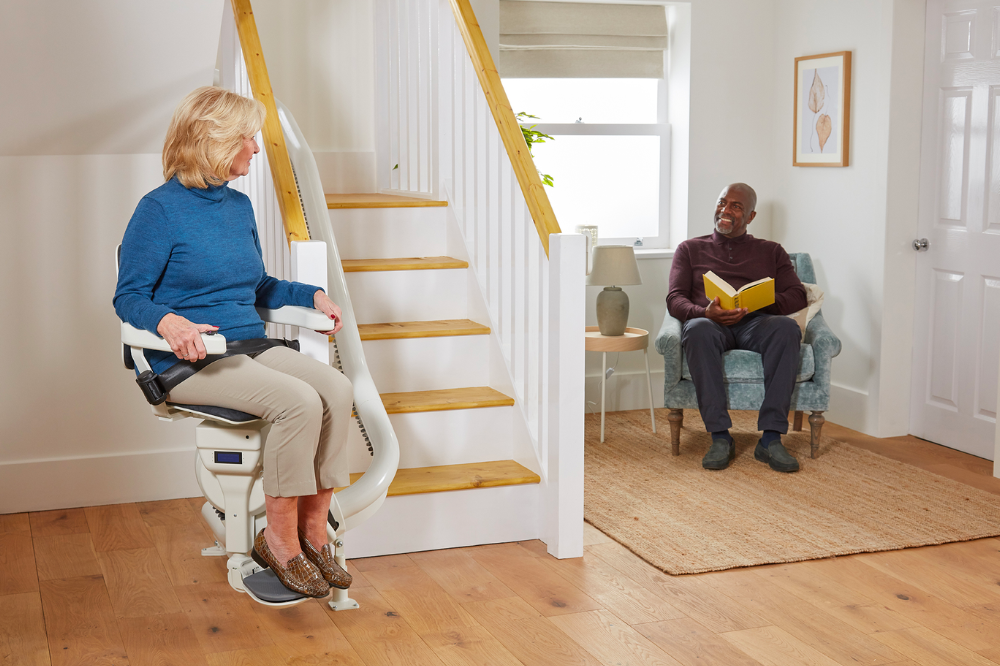
Home adaptations for elderly and disabled individuals focus on improving safety and restoring independence. If you or a loved one is lacking independence in the home, now may be the right time to consider helpful home aids and adaptations to make life a little easier.
What are Home Adaptations?
Home adaptations are key changes to a living space to improve safety, independence, and accessibility for individuals with mobility issues.
Adaptations range from simple handrail placement to full stairlift installation and major structural changes. For many homeowners, home adaptations are completely necessary, and everyday tasks would be difficult to complete without assistance.
Why are Home Adaptations Important?
UK Research and Innovation (UKRI) found that falls are a significant concern for older people. With home adaptations, you can enhance safety and reduce the risk of accidents or injury. These important changes around the home not only make daily living much easier, but also help people stay in their homes for longer without needing to move to care facilities.
How Do You Get Home Adaptations?
To get home adaptations in the UK as an elderly or disabled individual, either contact your local council for a free home assessment carried out by an occupational therapist (OT) to help cover costs, or skip the home assessment process and self-fund all adaptations. Home assessments are recommended but entirely optional.
Booking a Home Assessment
To book a home assessment, you must:
- Contact your local council
- Provide personal details, such as your name, home address, and mobility needs
- Book a time slot which may be in a few weeks or months (depending on demand)
- Prepare information about your mobility difficulties
- Wait for your free visit from an occupational therapist or healthcare professional
Home assessments typically take one hour, and it’s important to discuss your mobility openly to ensure the most suitable home adaptations are provided. In some cases, you may be referred for a care needs assessment if your assessor believes extra help at home is required.
Minor Home Adaptations
Local councils in England often pay for small home adaptations after home assessments that cost less than £1,000.
Lighting
Lighting adaptations are small but important changes that help both elderly and disabled individuals see more clearly around their homes. Improving vision offers many safety benefits, helping reduce the risk of potential accidents, like trips and even confusion in some cases.
Handrails
Adapting homes for the elderly and disabled often involves handrail installation, which provides stability and support across different areas of the home. Handrails are often found on the staircase, in the hallway, and near doorways.
Ramps
Ramps provide step-free access, ensuring safety both internally and externally in the home. Many people rely on wheelchairs, walking aids, and mobility scooters to get around, and without a ramp, getting in and out of your home may prove extremely difficult.
Handle Adjustments
Something as simple as opening the door can be challenging, especially if you have a weaker grip and certain disabilities. Handle adjustments replace traditional doorknobs in the form of lever-style handles that require minimal force.
Lever handles are quick and easy to install, reducing the frustration that often comes with not being able to do things like open your door.
Wall-Mounted Seats
Wall-mounted seats, which are typically fold-down shower benches or stools, are helpful bathroom adaptations for the elderly and disabled.
Their use is simple but essential – offering a place to sit during showers to prevent slipping or standing for too long. Most modern mounted seats are pretty compact, taking up minimal space even in smaller bathrooms.
Major Types of Home Adaptations
Larger home adaptations aren’t typically covered by local councils and require personal funding or grants to cover the costs.
Stairlifts
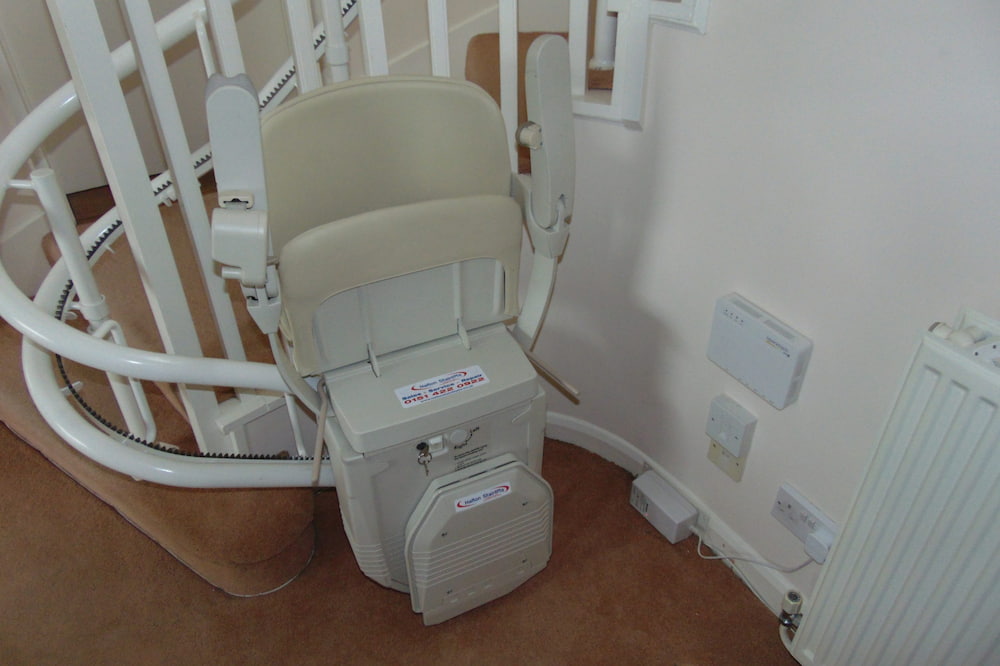
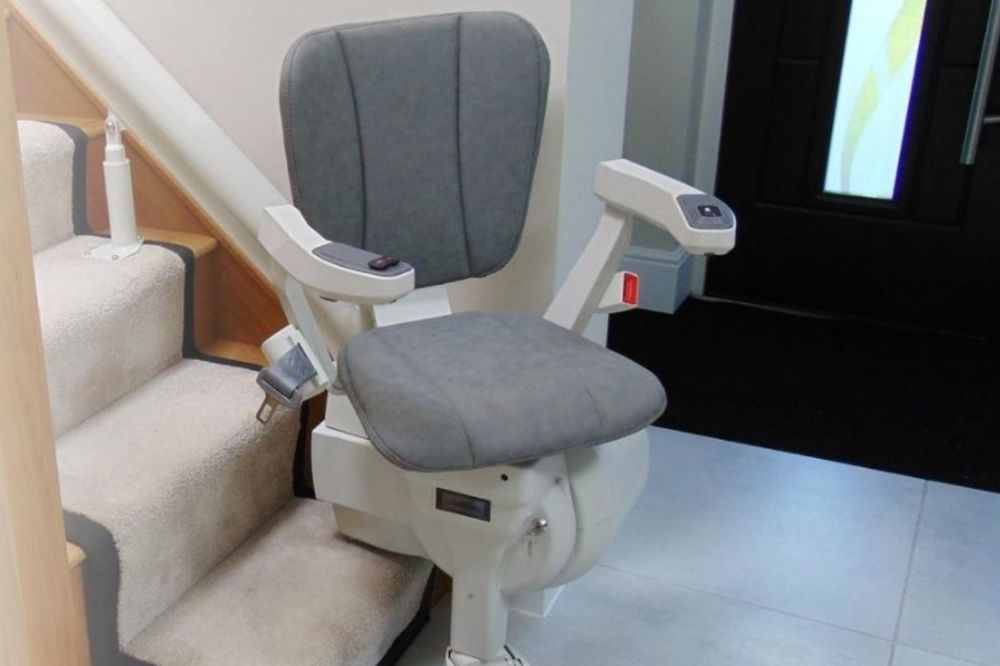
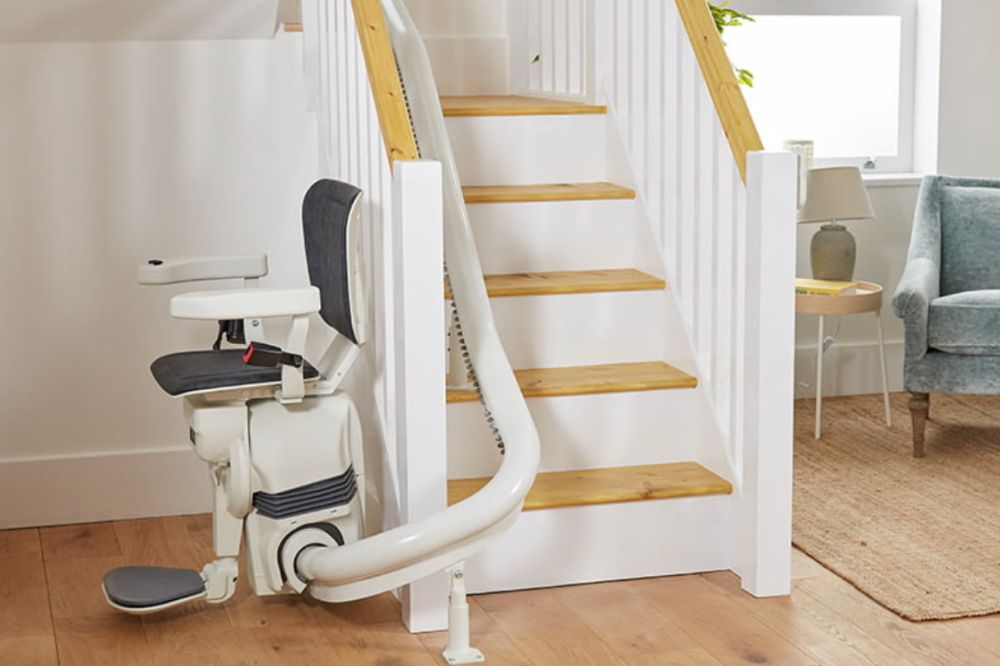
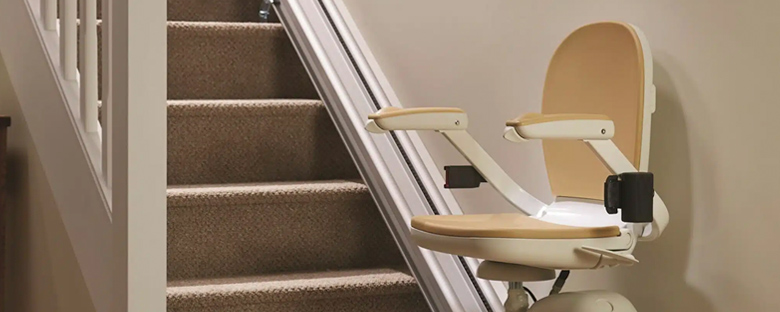
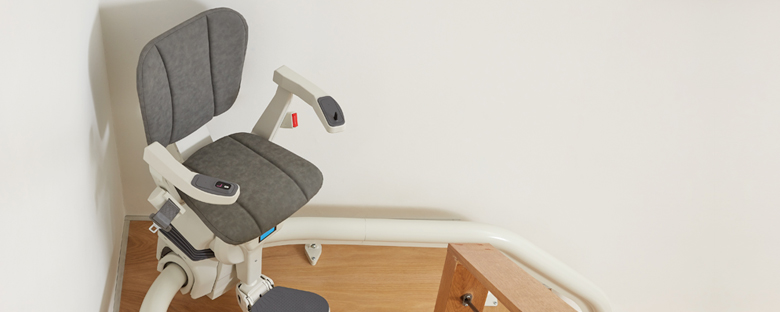
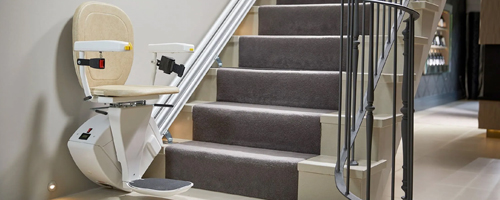
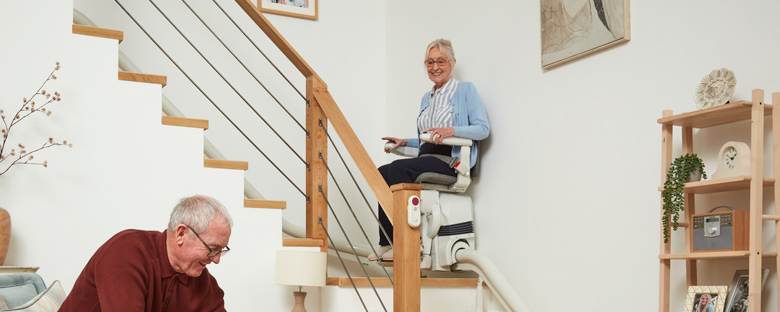
Stairlifts are one of the most essential home adaptations for the elderly and disabled, making travelling up and down the stairs safe and hassle-free.
If you’re unable to climb the stairs due to weakness, arthritis, or other conditions such as Parkinson’s disease, stairlift installation is essential. Internal stairlifts are suitable for all staircase types, with outdoor designs available for external adaptation possibilities.
Structural Changes
Major structural changes may be required in certain homes, such as extensions or the installation of a downstairs bathroom. Although large structural changes to the home can be costly, they’re often needed to ensure safety and independence.
Bathroom and Kitchen Transformations
Bathroom and kitchen transformations don’t always require big structural changes, but rather adaptations to suit the individual and their needs.
Lowering sink positions, dropping countertops, and adjusting kitchen island heights can all be helpful ways to make everyday living much easier for an older person or someone with disabilities.
Smart Home Integrations
Smart home integrations for the elderly and disabled use tools like voice control, motion-activated lighting, and smart locks to simplify daily tasks and reduce the need to move around as frequently.
Ceiling Track Hoists
Ceiling track hoists aren’t particularly common in UK homes but are still used when severe mobility issues exist. If installed, ceiling track hoists can really benefit the individual if frequent assisted transfers are necessary.
How Do I Pay for Home Adaptations?
There are several ways to pay for home adaptations, including the use of personal funding or applying for a government grant.
Personal Funding
If you can fund your own home adaptations, you won’t have to wait for home assessment completion or worry about being knocked back from grants.
Although home adaptations can be costly, they’re worth the investment if you have funds available. Paying for your own equipment means that installation can begin much quicker at a time that suits you.
Grants
The Disabled Facilities Grant provided by local councils in England, Wales, and Northern Ireland can help cover the costs of home adaptations for eligible people:
- England: Up to £30,000
- Wales: Up to £36,000
- Northern Ireland: Up to £25,000
If you live in Scotland, the Scheme of Assistance offers similar financial support and grants for older or disabled people.
Additionally, Independence at Home is a UK charity that provides small grants for home adaptations for elderly and disabled people. However, applications must be made by professionals, such as occupational therapists, rather than yourself.
Helpful Resources for Home Adaptations in the UK
Applying for funding can be a complex process, especially if this is your first time seeking support to cover costs. Luckily, both Home Improvement Agencies (HIAs) and Living Made Easy can help.
Home Improvement Agencies (HIA)
Home Improvement Agencies (HIAs) are not-for-profit, local organisations that help both the elderly and disabled with independent living.
They offer trusted advice on funding and grants to cover home adaptation costs, even providing more technical support regarding contractors and planning permissions for those who may not understand.
Living Made Easy
Living Made Easy, formerly named the Disabled Living Foundation (DLF), provides impartial advice and guidance on aids and solutions for independent living.
While they don’t offer funding directly, they can help find suitable adaptations by providing information about different types of equipment and retailers.
Funding/Advice Summary
- The Disabled Facilities Grant
- Scheme of Assistance
- Independence at Home
- Home Improvement Agencies (HIAs)
- Living Made Easy
Affordable Home Adaptations at Halton Stairlifts
At Halton Stairlifts, we understand how expensive home adaptations for elderly and disabled individuals can be. This is why we provide affordable stairlifts, including straight and curved designs, to help you regain independence in your home.
We strongly believe that everyone should have easy access to all areas of their own property, despite facing mobility difficulties. Stairlifts are one of the most common home adaptations to help homeowners travel up and down their stairs – something that proves tricky without assistance.
Are you looking to install a stairlift as part of your home adaptations? Contact us today!
Home Adaptations FAQs
Who pays for home adaptations in the UK?
In the UK, the council typically covers costs for home adaptations under £1,000. Adaptations exceeding this amount are either covered by your own personal funds or a government grant scheme.
What are the best assistive devices for seniors?
The best assistive devices for seniors allow them to regain independence and safety, such as mobility aids (walkers, wheelchairs, and stairlifts), bathroom equipment (wall-mounted seats and grab bars), and modern smart home integrations.
Are stairlifts free for pensioners?
Stairlifts are generally not free for pensioners, but costs may be covered by grants if mobility issues are identified during a home assessment.
Do the council provide stairlifts for the elderly?
Yes, councils can provide stairlifts for the elderly through the Disabled Facilities Grant or other similar schemes after completing a home assessment.
Can my landlord refuse home adaptations?
Under the Equality Act 2010, landlords in the UK must not refuse reasonable adjustments or home adaptations for disabled tenants and elderly individuals with qualifying disabilities.

Neil is the founder of Halton Stairlifts. He has years of experience installing stairlifts across the UK. With an eagerness to help those with mobility issues get up the stairs, Neil understands how important it is for a seamless and straightforward approach to installing stairlifts to help those in need quickly.